Efficient Waste Management The Benefits of Garbage Compactor Trucks with Low Maintenance


Introduction
Waste management is a critical aspect of modern urban living, and garbage compactor trucks play a vital role in keeping our cities clean and hygienic. These specialized vehicles are designed to collect and compact waste efficiently, making the disposal process more manageable and cost-effective. In recent years, there has been a growing demand for garbage compactor trucks with low maintenance requirements. This article explores the various benefits of using such trucks in waste management operations.
1. important site of Waste Management
Proper waste management is essential for maintaining public health and environmental sustainability. Improper disposal of waste can lead to a host of problems, including pollution, habitat destruction, and the spread of diseases. Garbage compactor trucks are an integral part of the waste management infrastructure in many cities, as they help collect and transport waste to disposal sites in a safe and efficient manner.
2. Overview of Garbage Compactor Trucks
Garbage compactor trucks, also known as compacting garbage trucks or compactor trucks, are specially designed vehicles that are equipped with a hydraulic mechanism to compact waste materials. These trucks come in various sizes and configurations, ranging from small rear-loading trucks to large front-loading trucks used for commercial waste collection. The compacting mechanism inside the truck helps reduce the volume of waste, allowing for more efficient transportation and disposal.
3. Maintenance Challenges with Traditional Garbage Compactor Trucks
While garbage compactor trucks are essential for waste management operations, they often come with high maintenance requirements. Traditional compactor trucks are complex machines with many moving parts, including hydraulic systems, compacting mechanisms, and control systems. These components are prone to wear and tear, requiring regular maintenance and servicing to ensure smooth operation.
4. The Benefits of Garbage Compactor Trucks with Low Maintenance
Garbage compactor trucks with low maintenance requirements offer several advantages over traditional models. These trucks are designed with simplicity and reliability in mind, reducing the need for frequent repairs and servicing. Some of the key benefits of using garbage compactor trucks with low maintenance include:
4.1 Cost Savings: One of the primary advantages of using garbage compactor trucks with low maintenance is cost savings. By reducing the frequency of repairs and servicing, operators can lower their maintenance expenses and improve the overall cost-efficiency of their waste management operations.
4.2 Increased Reliability: Garbage compactor trucks with low maintenance are designed to be more reliable and durable than traditional models. With fewer moving parts and simplified mechanisms, these trucks are less prone to breakdowns and operational failures, ensuring consistent performance in waste collection activities.
4.3 Extended Lifespan: The reduced maintenance requirements of garbage compactor trucks with low maintenance can help extend the lifespan of the vehicles. By minimizing wear and tear on critical components, these trucks can operate efficiently for longer periods, providing a better return on investment for operators.
4.4 Improved Operational Efficiency: Low-maintenance garbage compactor trucks are easier to operate and maintain, allowing waste management crews to focus on their core activities. With fewer maintenance-related downtimes, operators can increase the productivity and efficiency of their waste collection operations.
4.5 Environmental Benefits: Garbage compactor trucks with low maintenance can have positive environmental impacts by reducing the carbon footprint associated with maintenance activities. By using more durable and efficient vehicles, operators can minimize the environmental impact of their waste management operations.
5. Best Practices for Maintaining Garbage Compactor Trucks with Low Maintenance
While garbage compactor trucks with low maintenance requirements offer many benefits, proper care and maintenance are still essential to ensure optimal performance and longevity. Operators can follow these best practices to keep their low-maintenance compactor trucks in top condition:
5.1 Regular Inspections: Conducting routine inspections of the truck's components, including the hydraulic system, compacting mechanism, and control systems, can help identify potential issues early and prevent major breakdowns.
5.2 Scheduled Servicing: Despite being low maintenance, garbage compactor trucks still require periodic servicing to keep them in optimal condition. Following the manufacturer's recommended servicing schedule can help prolong the lifespan of the vehicle.
5.3 Proper Training: Providing training to waste management crews on the proper operation and maintenance of garbage compactor trucks is crucial for maximizing the benefits of low-maintenance vehicles. Proper handling and care can help prevent unnecessary wear and tear on the truck's components.
5.4 Use Genuine Parts: When replacing components or conducting repairs, operators should use genuine parts recommended by the truck manufacturer. Using quality parts can ensure the reliability and performance of the vehicle over the long term.
5.5 Cleaning and Lubrication: Regular cleaning and lubrication of the truck's components can help prevent corrosion and wear, extending the lifespan of critical parts. Keeping the truck clean and well-maintained can also improve its overall appearance and efficiency.
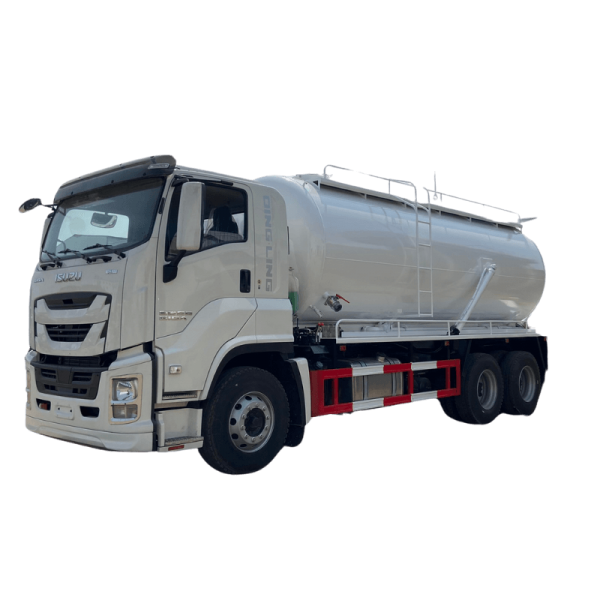
6. Case Studies: Successful Implementation of Garbage Compactor Trucks with Low Maintenance
Several cities and waste management companies have successfully implemented garbage compactor trucks with low maintenance requirements in their operations. These case studies highlight the benefits and outcomes of using low-maintenance compactor trucks for waste collection:
6.1 City A: City A introduced a fleet of low-maintenance garbage compactor trucks in its waste management operations, resulting in a 20% reduction in maintenance costs and a 15% increase in operational efficiency. The trucks' extended lifespan and improved reliability have helped the city optimize its waste collection services.
6.2 Waste Management Company B: Waste Management Company B replaced its traditional compactor trucks with low-maintenance models, leading to a 30% decrease in downtime and a 25% increase in customer satisfaction. The company's investment in low-maintenance trucks has paid off in terms of cost savings and operational performance.
6.3 Municipality C: Municipality C upgraded its waste management fleet with low-maintenance garbage compactor trucks, resulting in a 10% reduction in carbon emissions and a 5% increase in waste collection capacity. The municipality's commitment to sustainability and efficiency has been reflected in the improved performance of its waste management operations.
7. Future Trends in Garbage Compactor Trucks with Low Maintenance
As the demand for sustainable and cost-effective waste management solutions continues to grow, the future of garbage compactor trucks with low maintenance looks promising. Manufacturers are investing in research and development to design more efficient and durable compactor trucks that require minimal maintenance. Some of the future trends in garbage compactor trucks with low maintenance include:
7.1 Advanced Materials: The use of lightweight and durable materials in the construction of garbage compactor trucks can help reduce maintenance requirements and improve fuel efficiency. Advanced materials, such as carbon fiber and high-strength alloys, are being explored to make compactor trucks more reliable and long-lasting.
7.2 Smart Technologies: Integration of smart technologies, such as sensors and telematics, can enable real-time monitoring and predictive maintenance of garbage compactor trucks. These technologies can help operators detect potential issues before they escalate, reducing downtime and improving operational efficiency.
7.3 Electric and Hybrid Models: The shift towards electric and hybrid vehicles in the automotive industry is also influencing the design of garbage compactor trucks. Electric and hybrid models offer lower maintenance costs and reduced environmental impact, positioning them as viable alternatives to traditional diesel-powered trucks.
7.4 Autonomous Features: The development of autonomous driving technologies is poised to revolutionize the waste management industry, including garbage compactor trucks. Autonomous features, such as self-driving capabilities and remote monitoring, can enhance the efficiency and safety of waste collection operations while reducing the need for manual intervention.
Conclusion
Garbage compactor trucks with low maintenance requirements offer a host of benefits for waste management operations, including cost savings, increased reliability, and improved operational efficiency. By investing in low-maintenance vehicles and following best practices for maintenance, operators can optimize their waste collection services and contribute to a cleaner and healthier environment. As manufacturers continue to innovate and develop advanced technologies for garbage compactor trucks, the future of low-maintenance waste management vehicles looks promising.